


As a supplier of skin rings, I often get asked about the symptoms associated with skin rings. Skin rings, also known as ring - shaped skin conditions, can be caused by a variety of factors, including fungal infections, allergic reactions, and certain skin diseases. In this blog post, I'll share in - depth knowledge about the symptoms of skin rings to help you better understand these conditions and how our products might play a role in dealing with related issues.
Fungal Skin Rings (Tinea)
One of the most common causes of skin rings is a fungal infection, specifically tinea. Tinea infections can occur on different parts of the body, and each type has its own set of symptoms:
Tinea Corporis (Ringworm on the Body)
- Appearance: The most characteristic symptom is a circular or ring - shaped rash. The outer edge of the ring is usually raised, red, and scaly, while the center of the ring may appear normal or slightly lighter in color. The rash can be itchy, and in some cases, the itching can be quite intense.
- Growth and Spread: Over time, the ring may expand in size. If left untreated, multiple rings can merge together, creating larger, irregular - shaped rashes. The infection can spread to other parts of the body through direct contact with the affected area or through shared items like towels.
Tinea Pedis (Athlete's Foot)
- Symptoms on the Feet: For athletes' foot, the affected skin between the toes, especially the fourth and fifth toes, may become red, itchy, and macerated (soft and white - looking due to excessive moisture). Blisters can also form, which may rupture and cause pain. In some cases, the skin on the soles of the feet may become scaly and thickened.
- Odor and Discomfort: Besides the visible symptoms, athlete's foot can cause a foul odor, and the discomfort can make it difficult to walk or wear shoes for long periods.
Tinea Capitis (Ringworm of the Scalp)
- Scalp - related Symptoms: On the scalp, tinea capitis presents as scaly, red patches that may be circular or oval. Hair in the affected area may become brittle, break easily, and fall out, leading to bald spots. There can also be associated itching and a feeling of tenderness on the scalp.
- Inflammatory Reactions: In more severe cases, the scalp may develop a boggy, inflamed mass called a kerion, which is painful and can be a sign of a strong immune response to the fungus.
Allergic Skin Rings
Allergic reactions can also result in ring - shaped skin rashes. These allergic skin rings can be caused by contact with certain substances, such as metals (e.g., nickel in jewelry), cosmetics, or plants (e.g., poison ivy).
- Appearance and Onset: The rash typically appears within a few hours to a few days after contact with the allergen. It may be red, swollen, and itchy. The ring - like shape can be due to the pattern of contact with the allergen, for example, if a person is wearing a ring that contains nickel, the rash may form in a ring - like pattern around the finger.
- Severity and Progression: The severity of the allergic skin ring can vary. Mild cases may resolve on their own once the allergen is removed, while more severe cases may require medical treatment, such as topical corticosteroids. If the exposure to the allergen continues, the rash can worsen and spread to other parts of the body.
Skin Diseases Associated with Skin Rings
There are also some skin diseases that can cause ring - shaped rashes:
Granuloma Annulare
- Clinical Features: Granuloma annulare usually presents as small, firm bumps that form a ring or arc - shaped pattern. The bumps are typically skin - colored or slightly pink, and they are not usually itchy or painful. The rings can vary in size, from a few millimeters to several centimeters in diameter.
- Location and Duration: This condition often occurs on the hands, feet, elbows, or knees. It can be chronic, lasting for months or even years, but in many cases, it will eventually resolve on its own without treatment.
Erythema Annulare Centrifugum
- Symptoms and Appearance: Erythema annulare centrifugum starts as a small, pink or red patch that gradually expands outward, leaving a clear or slightly scaly center. The advancing edge of the ring is often raised and may be intensely itchy. It can be found on the trunk, thighs, or arms.
- Underlying Causes: Sometimes, this skin condition can be associated with an underlying illness, such as a fungal infection, drug reaction, or an autoimmune disorder. Identifying and treating the underlying cause is crucial for managing the rash.
How Our Skin Rings Can Help
Our company offers a range of high - quality skin rings that are designed with specific features to address various skin - related needs. For example, our Rainbow Slide Sled is made from materials that are gentle on the skin. It can be used in a variety of settings, and its smooth surface reduces the risk of skin irritation, which is important especially for those with sensitive skin who may be more prone to developing skin rings from friction.
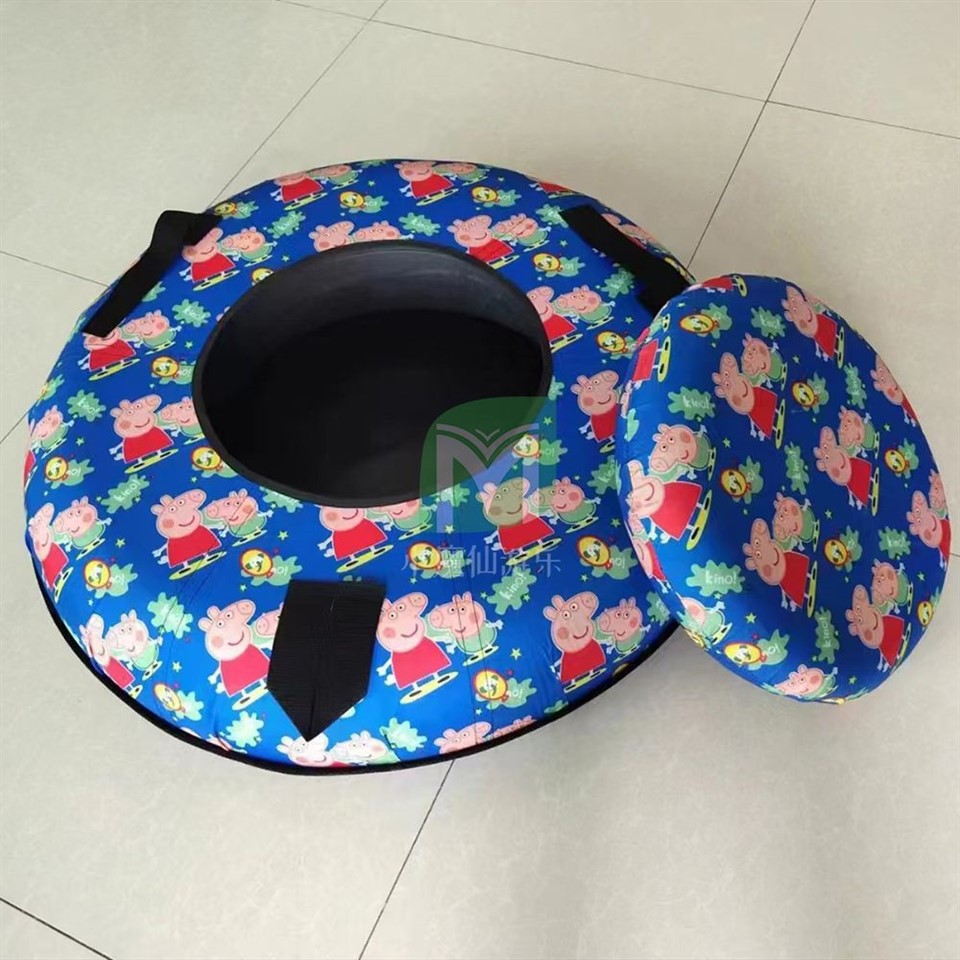
Our Anti - Roll Snow Tube is another great product. It has a soft, lining that provides an extra layer of protection for the skin. When you're using it in cold weather, it helps to prevent the skin from getting too dry and chapped, which can sometimes exacerbate the symptoms of skin conditions, including those that cause skin rings.
The Dual - Use Snow Tube is versatile and comfortable. Its ergonomic design ensures that there is even distribution of pressure on the skin, reducing the likelihood of pressure - related skin problems. Whether you're using it for a fun day in the snow or for other activities, it keeps your skin in a better condition.
Contact for Procurement
If you're interested in our skin ring products and would like to discuss procurement opportunities, we'd be more than happy to talk to you. Our team of experts can provide detailed information about our product range, pricing, and shipping options. Whether you're a retailer looking to add our products to your inventory or an individual interested in bulk purchasing, we have solutions that can meet your needs.

References
- Habif, T. P. (2016). Clinical Dermatology: A Color Guide to Diagnosis and Therapy. Elsevier.
- Freedberg, I. M., Eisen, A. Z., Wolff, K., Austen, K. F., Goldsmith, L. A., Katz, S. I., & Fitzpatrick, T. B. (2003). Fitzpatrick's Dermatology in General Medicine. McGraw - Hill.


