


As a supplier of Non-Slip Rainbow Slides, I've often been asked whether these exciting attractions can be used by disabled people with appropriate assistance. This is a question that goes beyond just the functionality of our products; it touches on the broader issues of inclusivity and accessibility in recreational facilities. In this blog, I'll explore this topic in depth, considering various aspects such as the design features of our Non-Slip Rainbow Slides, the types of disabilities, and the necessary assistance required.
Design Features of Non - Slip Rainbow Slides
Our Non-Slip Rainbow Slides are designed with safety and fun in mind. The non - slip surface is a key feature that provides a secure sliding experience for all users. This surface is made from high - quality materials that have been tested to ensure they offer sufficient friction, reducing the risk of slipping during the slide.
The slide's structure is also carefully engineered. It has a gentle slope in some sections, which allows for a more controlled descent. This is beneficial not only for children but also for those with limited mobility. Additionally, the sides of the slide are high enough to prevent accidental falls, providing an extra layer of safety.
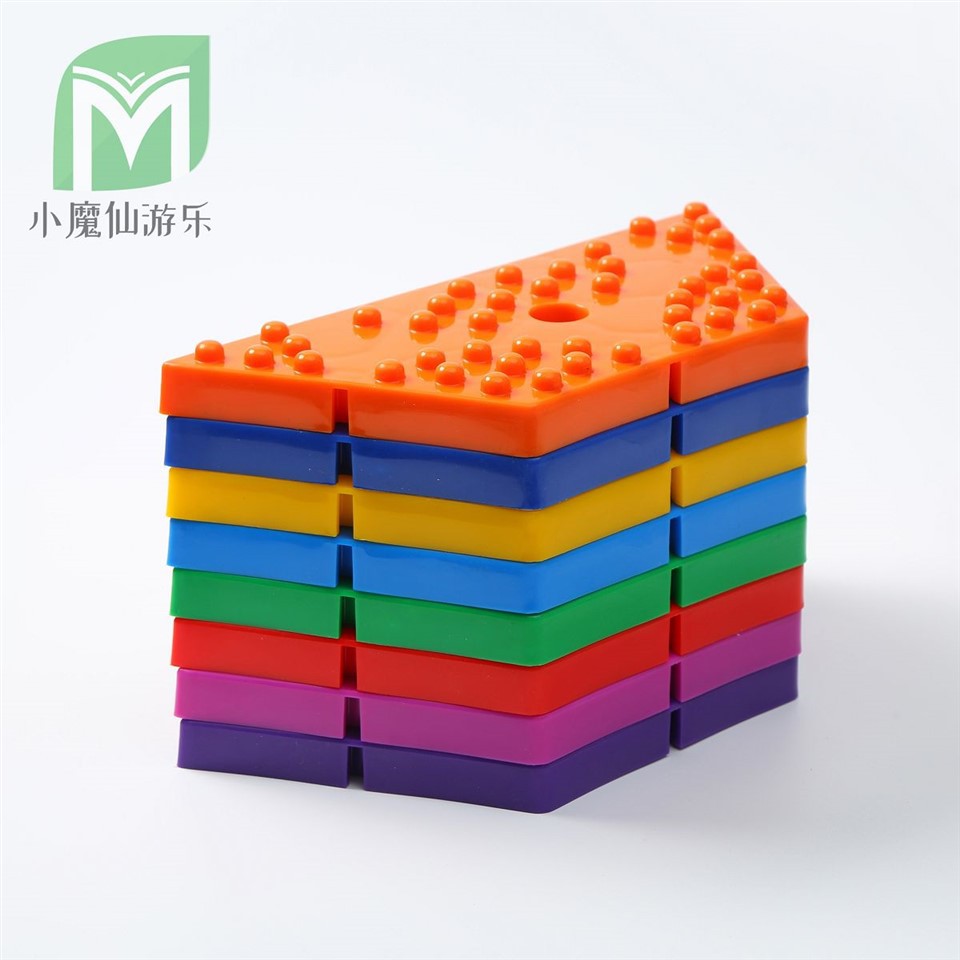
We offer different models of rainbow slides, including the Hexagonal Corner Rainbow Slide without Roller, the Non-Slip Rainbow Slide, and the Hexagonal Corner Rainbow Slide with Roller. Each model has its unique features, but all are built with the same commitment to safety and accessibility.
Types of Disabilities and Accessibility
When considering whether disabled people can use our non - slip rainbow slides, it's important to understand the different types of disabilities. Physical disabilities can range from mobility impairments, such as those using wheelchairs or walkers, to balance and coordination issues. Sensory disabilities, including visual or hearing impairments, also need to be taken into account.
Mobility Impairments
For individuals with mobility impairments, getting onto the slide can be a challenge. However, with appropriate assistance, it is possible. For example, a ramp or lift can be installed near the slide entrance to help wheelchair users reach the starting point. Once on the slide, the non - slip surface and gentle slope allow for a relatively smooth and controlled descent. Caregivers or assistants can also be present to help guide the user and ensure their safety throughout the slide.
Balance and Coordination Issues
People with balance and coordination issues may find the slide's non - slip surface reassuring. The high sides of the slide can provide support and prevent falls. Assistants can hold the user's hand or provide additional stability during the slide. In some cases, a harness or restraint system can be used to further enhance safety.
Sensory Impairments
For visually impaired individuals, the slide experience can be made more accessible through auditory cues. For example, a bell or a voice - guided system can be installed to indicate the start and end of the slide. Tactile markers can also be placed on the slide to help the user navigate. Hearing - impaired individuals can rely on visual signals, such as colored lights or hand gestures from assistants.
Appropriate Assistance
Appropriate assistance is crucial for disabled people to use the non - slip rainbow slide safely. The type of assistance required depends on the individual's specific disability.
Trained Assistants
Having trained assistants on site is essential. These assistants should be knowledgeable about the slide's features and the needs of disabled users. They should be able to provide physical support, offer guidance, and respond to any emergencies that may arise. Training programs can be developed to ensure that assistants are well - prepared to handle different situations.
Safety Equipment
In addition to trained assistants, safety equipment such as helmets, harnesses, and padding can be used. Helmets protect the user's head in case of an accidental fall, while harnesses can provide additional security during the slide. Padding can be placed on the sides and bottom of the slide to cushion any impacts.
Case Studies
There have been several instances where disabled people have successfully used non - slip rainbow slides with appropriate assistance. In a local amusement park, a wheelchair - bound child was able to enjoy the slide with the help of a ramp and a trained assistant. The child's face lit up with joy as they experienced the thrill of sliding down the colorful slide.
In another case, a group of visually impaired students visited a water park with a non - slip rainbow slide. The park installed an auditory cue system and tactile markers on the slide. With the help of their teachers and assistants, the students were able to navigate the slide independently and have a great time.
Benefits of Inclusivity
Making our non - slip rainbow slides accessible to disabled people has numerous benefits. It promotes inclusivity, allowing everyone to enjoy the fun and excitement of sliding. It also helps to break down barriers and reduce stigma associated with disabilities. When disabled people are able to participate in recreational activities, it boosts their self - esteem and social interaction.
From a business perspective, offering accessible slides can attract a wider customer base. Families with disabled members are more likely to visit a facility that provides inclusive attractions. This can lead to increased revenue and a positive reputation for the business.
Conclusion
In conclusion, our non - slip rainbow slides can be used by disabled people with appropriate assistance. The design features of the slides, combined with the right type of assistance and safety equipment, make it possible for individuals with various disabilities to enjoy the thrill of sliding.
We are committed to promoting inclusivity and accessibility in our products. As a supplier, we are constantly looking for ways to improve the design of our slides and develop better assistance methods. If you are interested in purchasing our Non - Slip Rainbow Slides or have any questions about their accessibility, please feel free to contact us for further discussion. We look forward to working with you to create inclusive recreational spaces.

References
- "Accessibility Guidelines for Recreational Facilities," National Recreation and Park Association.
- "Best Practices for Assisting Disabled Individuals in Amusement Parks," International Association of Amusement Parks and Attractions.
- "Case Studies on Inclusive Recreational Activities," Journal of Disability and Rehabilitation.


