


Hey there! As a supplier of Kindergarten Spring Riders, I've seen firsthand how these nifty little toys can work wonders for kids' development. In this blog, I'm gonna break down all the ways a Kindergarten Spring Rider can be a game - changer for your little ones.
Physical Development
Let's start with the obvious - physical development. When a kid hops on a Spring Rider, they're immediately engaging in a whole - body workout. The constant up - and - down motion of the spring rider requires them to use their leg muscles to push off and keep the movement going. This helps in building strength in their lower extremities.
For instance, when a child is trying to make the Spring Rider go higher, they're exerting force through their legs, which is similar to doing squats or lunges. Over time, this regular exercise can lead to stronger leg muscles, better balance, and improved coordination.

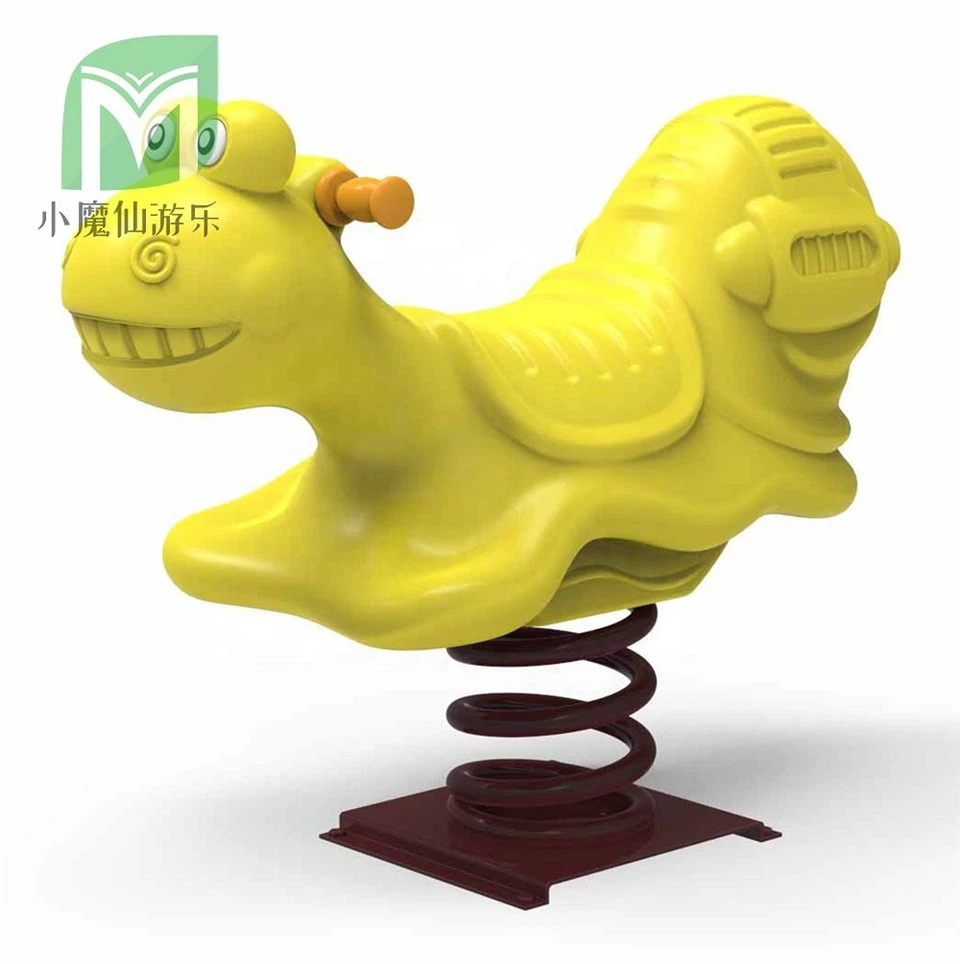
Balance is another crucial aspect. As the Spring Rider sways from side to side and up and down, kids have to constantly adjust their body position to stay on. It's like a mini - balancing act! They learn to shift their weight, use their core muscles to stay centered, and develop a better sense of spatial awareness. You can check out our Outdoor Kids Rocking Toy which is a great option for outdoor physical development.
Moreover, the repetitive motion of riding a Spring Rider also improves their gross motor skills. Gross motor skills involve the large muscles of the body, and riding a Spring Rider gives kids a chance to practice using these muscles in a fun and engaging way. Whether it's pushing off, pulling back, or keeping their body upright, every movement contributes to the development of these important skills.
Cognitive Development
It's not just about the physical stuff; Spring Riders also have a big impact on cognitive development. When kids are on a Spring Rider, they're constantly making decisions. They have to decide how hard to push to get the right amount of movement, when to slow down, and how to adjust their actions based on the feedback they're getting from the toy.
This decision - making process helps in developing their problem - solving skills. For example, if they notice that they're going too fast and might fall off, they have to figure out how to slow down safely. It's a real - life problem - solving scenario that happens right there on the Spring Rider.
Imagination is another area where Spring Riders shine. Many of our Spring Riders are designed in fun shapes like animals or cars. When kids hop on an Animal - Shaped Spring Rider, they can pretend they're riding a wild horse through the jungle or a unicorn on a magical adventure. This imaginative play is crucial for cognitive development as it helps kids develop creativity, language skills, and the ability to think abstractly.
Social and Emotional Development
Spring Riders can also be a great tool for social and emotional development. In a kindergarten or park setting, kids often take turns on the Spring Rider. This teaches them the important value of sharing. They learn to wait their turn, be patient, and respect the rights of others.
When kids are riding the Spring Rider together or watching each other, they also start to develop social skills. They might strike up a conversation about how high they can go or compare their riding styles. It's a simple way for them to interact with their peers, make new friends, and build social bonds.
On an emotional level, riding a Spring Rider can be a confidence - booster. When a child manages to stay on the Spring Rider for a long time, make it go high, or master a new riding technique, they feel a sense of accomplishment. This feeling of success can have a positive impact on their self - esteem and make them more willing to take on new challenges in other areas of their lives.
Sensory Development
The Spring Rider also plays a role in sensory development. The up - and - down motion provides proprioceptive input, which is the sense of where our body parts are in space and how they're moving. This input helps kids develop a better understanding of their body's position and movement, which is essential for activities like walking, running, and writing.
The visual aspect of riding a Spring Rider is also important. As they move up and down, they see the world from different perspectives. They might notice the changing scenery around them, the colors of the toys in the park, or the movement of other kids. This visual stimulation helps in developing their visual perception skills.
The tactile sensation of holding onto the handles of the Spring Rider and feeling the movement through their body also contributes to sensory development. It gives them a chance to experience different textures and sensations, which is important for their overall sensory integration.
Safety and Durability
As a supplier, I understand that safety is your top concern. That's why all our Spring Riders are made with high - quality materials and are designed to meet strict safety standards. We use sturdy springs that can withstand the weight and movement of kids, and the seats and handles are designed to be comfortable and easy to grip.
We also offer a variety of Spring Riders suitable for different age groups. Whether you're looking for a Spring Rider for toddlers or older kids, we've got you covered. Our Community Park Rocking Toy is a popular choice for community settings as it's built to last and can handle a lot of use.
Conclusion
In conclusion, a Kindergarten Spring Rider is more than just a fun toy. It's a powerful tool for kids' development in multiple areas - physical, cognitive, social, emotional, and sensory. If you're a kindergarten teacher, a parent, or someone in charge of a community park, investing in a Spring Rider is a great way to provide kids with a safe, fun, and educational experience.
If you're interested in purchasing our Kindergarten Spring Riders, we'd love to talk to you. We can discuss your specific needs, the different options available, and help you find the perfect Spring Rider for your situation. Just reach out to us, and let's start this exciting journey of providing kids with the best developmental toys!
References
- "Child Development: From Infancy to Adolescence" by Laura E. Berk
- "Play and Development: A Practical Guide" by David Elkind


