


As a supplier of Kindergarten Spring Riders, I've witnessed firsthand the profound impact these delightful toys can have on kids' physical activity. In this blog, I'll delve into the various ways a Kindergarten Spring Rider promotes kids' physical well - being and why it's an essential addition to any kindergarten or play area.
The Basics of a Kindergarten Spring Rider
Before we explore how it promotes physical activity, let's understand what a Kindergarten Spring Rider is. It typically consists of a seat mounted on a spring, often in a fun and engaging shape like an animal or a vehicle. The spring allows the rider to rock back and forth, providing a dynamic and exciting play experience. You can find a wide range of these riders, such as the Outdoor Kids Rocking Toy and the Community Park Rocking Toy and Animal - Shaped Spring Rider.
Strengthening Muscles
One of the primary ways a Kindergarten Spring Rider promotes physical activity is by strengthening various muscle groups in a child's body. When a child sits on the spring rider and starts to rock, they engage their leg muscles. The act of pushing off the ground to initiate the rocking motion requires the contraction of the quadriceps, hamstrings, and calves. As they continue to rock, these muscles are constantly working to maintain balance and control the movement of the rider.
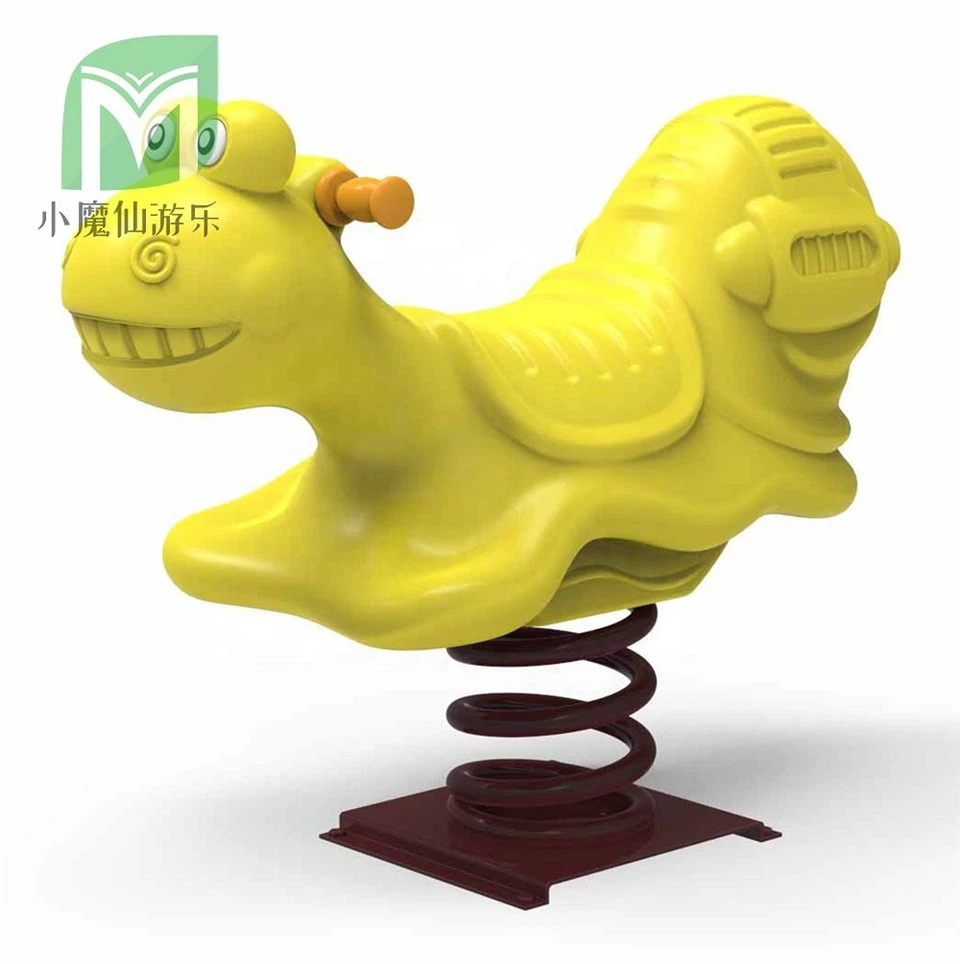

For instance, a young child may start with small, hesitant pushes, but as they gain confidence, they'll use more force, which gradually builds up the strength in their legs. Over time, this can contribute to better leg strength, which is essential for activities like walking, running, and climbing.
The core muscles also play a crucial role. To stay upright on the spring rider and control the rocking, a child needs to engage their abdominal and back muscles. These core muscles act as stabilizers, helping the child maintain balance and preventing them from falling off. Regular use of the spring rider can lead to improved core strength, which is beneficial for overall body stability and posture.
Enhancing Coordination and Balance
Coordination and balance are vital skills for a child's physical development, and a Kindergarten Spring Rider provides an excellent platform for honing these abilities. When a child rocks on the spring rider, they need to coordinate the movement of their legs, arms, and torso. They must time their pushes and shifts in weight correctly to keep the rider in motion and maintain a smooth rocking rhythm.
For example, if a child pushes too hard on one side or at the wrong time, the rider may become unstable. Through trial and error, they learn how to adjust their movements to achieve a balanced and controlled rocking motion. This process of learning to coordinate different body parts helps improve their overall motor skills.
Balance is also a key aspect. The spring rider's movement is dynamic, and the child must constantly adjust their body position to stay centered on the seat. This challenges their sense of balance, forcing them to develop better proprioception - the ability to sense the position and movement of their body in space. As they become more proficient at balancing on the spring rider, they'll find it easier to navigate other physical challenges, such as walking on uneven surfaces or riding a bicycle.
Cardiovascular Benefits
Although the physical activity provided by a Kindergarten Spring Rider may not be as intense as running a mile, it still offers some cardiovascular benefits. When a child is actively rocking on the rider, their heart rate increases slightly. This mild elevation in heart rate gets the blood flowing more efficiently throughout the body, delivering oxygen and nutrients to the muscles and organs.
Regular use of the spring rider can help improve the child's cardiovascular endurance over time. As they engage in more extended periods of rocking, their heart and lungs become more efficient at supplying oxygen to the working muscles. This can contribute to better overall health and stamina, making it easier for them to participate in other physical activities without getting tired as quickly.
Encouraging Social Interaction and Active Play
A Kindergarten Spring Rider is not just a solitary toy; it can also encourage social interaction and group play, which further promotes physical activity. In a kindergarten setting, multiple children can take turns on the spring rider or even rock side by side. This social aspect adds an extra layer of fun and motivation for the kids.
When children play together on the spring riders, they may come up with games and challenges. For example, they could have a race to see who can rock the fastest or the longest. These friendly competitions not only make the play more exciting but also increase the intensity of their physical activity. They'll push themselves harder to win, which means more muscle engagement and a greater cardiovascular workout.
Sensory Stimulation
The movement of a Kindergarten Spring Rider provides valuable sensory stimulation for children. The up - and - down, back - and - forth motion of the rider stimulates the vestibular system, which is responsible for our sense of balance and spatial orientation. This sensory input is essential for a child's brain development, as it helps the brain process information about the body's position and movement.
In addition to the vestibular stimulation, the tactile sensation of sitting on the seat and holding onto the handles also contributes to the overall sensory experience. The different textures of the seat and handles can provide a variety of tactile feedback, which can enhance a child's sensory awareness. This multi - sensory experience makes the play on the spring rider more engaging and can encourage children to spend more time being physically active.
Psychological Benefits and Motivation
The psychological benefits of using a Kindergarten Spring Rider can also have a positive impact on a child's physical activity levels. The fun and exciting nature of the spring rider makes physical activity enjoyable for children. When they associate physical activity with fun, they're more likely to be motivated to engage in it regularly.
The sense of achievement that comes with mastering the spring rider, such as learning to rock smoothly or perform tricks, can boost a child's self - confidence. This increased self - confidence can spill over into other areas of their physical development, making them more willing to try new physical challenges.
Conclusion
In conclusion, a Kindergarten Spring Rider is a valuable tool for promoting kids' physical activity. It strengthens muscles, enhances coordination and balance, provides cardiovascular benefits, encourages social interaction, offers sensory stimulation, and boosts psychological well - being. As a supplier, I'm proud to offer these wonderful toys that contribute to the healthy physical development of children.
If you're interested in adding Kindergarten Spring Riders to your kindergarten, school, or community play area, I encourage you to reach out for a procurement discussion. We can talk about the different options available, pricing, and how these spring riders can best meet the needs of the children in your care.
References
- Clark, A. M., & Humphrey, J. H. (2018). The role of play in child development. Pediatrics, 142(1), e20181661.
- Gabbard, C. B. (2018). Life - span motor development. Human Kinetics.
- Pellegrini, A. D. (2019). The value of play: A cross - disciplinary perspective. Oxford University Press.


