


Is the non - slip rainbow slide resistant to scratches?

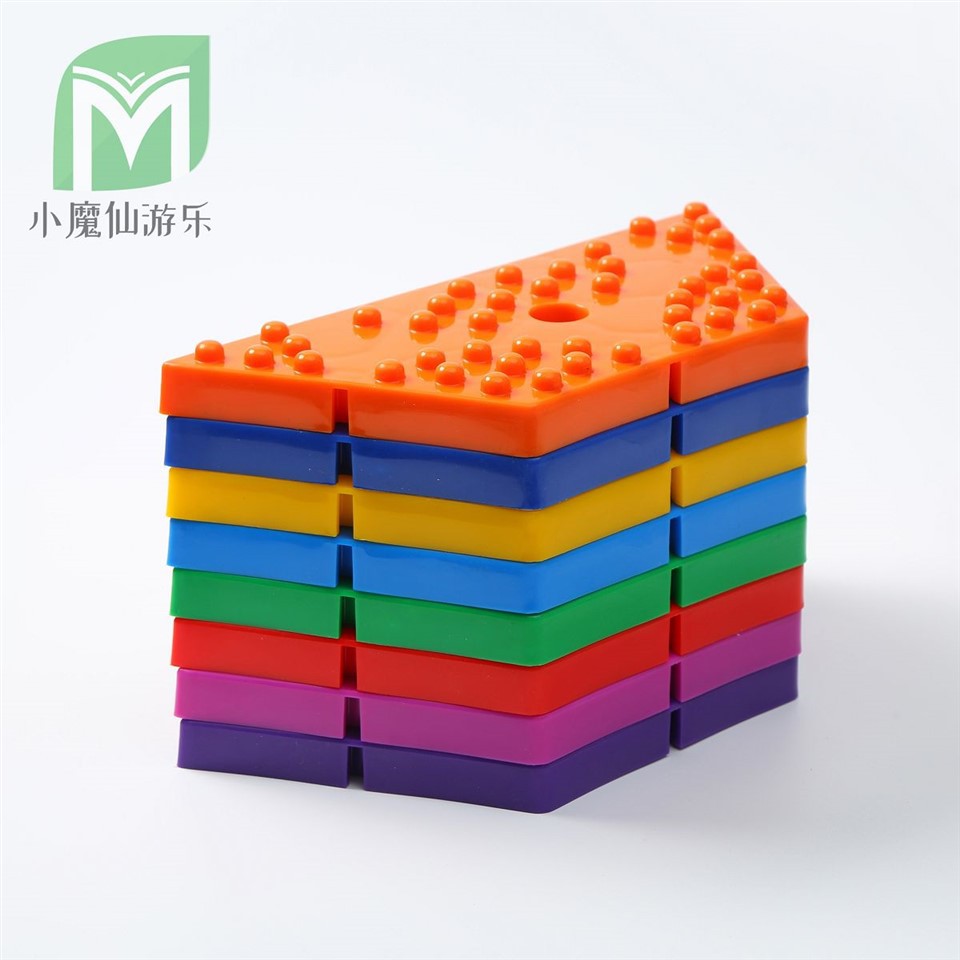
As a supplier of Non - Slip Rainbow Slides, I often get asked about the scratch resistance of these fun and colorful play equipment. In this blog, I'll delve into the details of whether our Non - Slip Rainbow Slides can withstand scratches and what factors contribute to their durability.
Understanding the Non - Slip Rainbow Slide
Before we discuss scratch resistance, let's first understand what a Non - Slip Rainbow Slide is. Our Non - Slip Rainbow Slide is a popular choice for playgrounds, water parks, and even backyard entertainment. It features a vibrant rainbow color scheme that attracts kids and adults alike. The non - slip surface is designed to provide a safe sliding experience, reducing the risk of accidents caused by slipping.
Materials Used in Non - Slip Rainbow Slides
The scratch resistance of a Non - Slip Rainbow Slide largely depends on the materials used in its construction. Our slides are typically made from high - quality, durable plastics. These plastics are carefully selected for their strength, flexibility, and resistance to environmental factors.
One of the common materials used is high - density polyethylene (HDPE). HDPE is known for its excellent impact resistance and chemical resistance. It has a smooth surface that is not only easy to clean but also less prone to scratches compared to some other plastics. The non - slip feature is often achieved through a special surface treatment or the addition of anti - slip additives during the manufacturing process.
Testing the Scratch Resistance
To ensure that our Non - Slip Rainbow Slides meet the highest standards of quality and durability, we conduct rigorous scratch resistance tests. These tests simulate real - world scenarios where the slide may come into contact with sharp objects, abrasive materials, or rough play.
During the tests, we use standardized scratching tools to apply a controlled amount of pressure and force on the surface of the slide. We then evaluate the depth and visibility of the scratches. Our slides are designed to withstand normal wear and tear, including minor scratches that may occur during regular use.
In addition to laboratory tests, we also gather feedback from our customers. Many of them have reported that our slides maintain their appearance and functionality even after years of use in busy playgrounds and water parks. This real - world experience further validates the scratch resistance of our products.
Factors Affecting Scratch Resistance
While our Non - Slip Rainbow Slides are designed to be scratch - resistant, there are several factors that can affect their performance in this regard.
- Type of Contact: The nature of the contact with the slide surface plays a significant role. For example, if a sharp metal object is dragged across the slide, it is more likely to cause a scratch than a soft, rounded object. Similarly, rough play involving shoes with hard soles or sharp edges can increase the risk of scratching.
- Frequency of Use: The more frequently the slide is used, the higher the chance of scratches. In a busy playground with a large number of children using the slide throughout the day, the surface is more likely to experience wear and tear. However, our slides are built to withstand high - traffic environments.
- Environmental Conditions: Exposure to extreme weather conditions, such as intense sunlight, heat, and cold, can also affect the scratch resistance of the slide. UV rays from the sun can cause the plastic to become brittle over time, making it more susceptible to scratches. To counter this, our slides are often treated with UV stabilizers to protect them from the harmful effects of sunlight.
Comparing Different Slide Models
We offer a variety of Non - Slip Rainbow Slide models, including the Hexagonal Corner Rainbow Slide with Roller and the Hexagonal Corner Rainbow Slide without Roller. While both models are designed to be scratch - resistant, there may be some differences in their performance.
The slide with a roller may have a slightly different surface texture due to the presence of the roller mechanism. However, the overall scratch resistance is still comparable to the model without a roller. The key is to ensure that the materials used in both models are of the same high quality and that they undergo the same rigorous testing.
Maintenance Tips to Enhance Scratch Resistance
To keep your Non - Slip Rainbow Slide looking its best and maintain its scratch resistance, proper maintenance is essential. Here are some tips:
- Regular Cleaning: Clean the slide regularly with mild soap and water. This helps to remove dirt, debris, and any abrasive particles that could potentially cause scratches. Avoid using harsh chemicals or abrasive cleaners, as these can damage the surface of the slide.
- Inspect for Damage: Periodically inspect the slide for any signs of scratches, cracks, or other damage. If you notice any issues, address them promptly. Minor scratches can often be repaired using a plastic repair kit.
- Protect the Slide: If possible, provide a protective surface around the slide, such as rubber mats or soft ground cover. This can reduce the risk of scratches caused by objects being dragged across the ground and onto the slide.
Conclusion
In conclusion, our Non - Slip Rainbow Slides are designed to be highly resistant to scratches. The use of high - quality materials, rigorous testing, and proper maintenance all contribute to their durability. While some minor scratches may occur over time, especially in high - traffic environments, our slides are built to withstand normal wear and tear and maintain their functionality and appearance.
If you're interested in purchasing a Non - Slip Rainbow Slide for your playground, water park, or backyard, we'd love to hear from you. Our team of experts can provide you with more information about our products, answer your questions, and help you choose the right slide for your needs. Contact us today to start the procurement process and bring the joy of a Non - Slip Rainbow Slide to your space.
References
- ASTM International. (Year). Standard test methods for scratch resistance of plastics and related coatings. ASTM D7027 - XX.
- Plastics Industry Association. (Year). High - density polyethylene (HDPE): Properties and applications.


