


As a supplier of kids spinning chairs, I've witnessed firsthand the allure these chairs hold for children. Their dynamic nature provides an engaging experience that can seemingly keep kids entertained for hours. However, like any product, kids spinning chairs come with their own set of disadvantages that parents and educators should be aware of.
Physical Health Concerns
One of the most significant drawbacks of kids using spinning chairs is the potential impact on their physical health. Prolonged spinning can lead to dizziness and nausea. When a child spins in a chair, the fluid in their inner ear moves, which sends signals to the brain about the body's position and movement. If the spinning is too rapid or lasts for an extended period, the brain can become confused, resulting in dizziness and, in some cases, vomiting. This can be particularly dangerous if the child attempts to stand up or move immediately after spinning, increasing the risk of falls and injuries.
Moreover, improper use of spinning chairs can cause musculoskeletal problems. Kids may not always sit in the correct posture while using these chairs, which can put excessive stress on their spine, neck, and shoulders. Over time, this can lead to poor posture, back pain, and even spinal deformities. For example, if a child constantly slouches or twists in the chair while spinning, it can disrupt the natural alignment of the spine, leading to long - term health issues.
Safety Risks
Safety is another major concern when it comes to kids using spinning chairs. These chairs are designed to spin, which means there is always a risk of the child losing control. They could spin too fast and tip over, especially if the chair is not properly balanced or if the child makes sudden movements. Younger children, in particular, may not have the coordination or judgment to use the chair safely.
In addition, spinning chairs often have moving parts, such as wheels and axles. These parts can pose a pinching or entanglement hazard. A child's fingers or clothing could get caught in the moving parts, resulting in cuts, bruises, or more serious injuries. For instance, if a child's shoelace gets caught in the wheel of a spinning chair, it could pull the child down and cause them to fall, potentially leading to fractures or head injuries.
Distraction in Learning Environments
In educational settings, spinning chairs can be a significant distraction. While some may argue that the movement can help kids with attention - deficit hyperactivity disorder (ADHD) focus, in general, the constant spinning can be a source of disruption for both the child using the chair and their classmates. The noise of the chair spinning, along with the visual distraction of the moving child, can make it difficult for others to concentrate on the lesson.
For example, in a classroom where students are trying to listen to a teacher's lecture, a child spinning in a chair can draw everyone's attention away from the learning material. This can lead to a decrease in overall productivity and a negative impact on the learning environment.
Emotional and Behavioral Issues
Using spinning chairs can also contribute to emotional and behavioral issues in some children. The over - stimulation caused by the spinning can lead to increased excitability and difficulty in self - regulation. Children may become overly hyperactive and have trouble calming down after using the chair.
Moreover, if a child becomes too attached to the spinning chair, they may have difficulty functioning without it. In situations where the chair is not available, such as during a field trip or at a friend's house, they may experience anxiety or frustration. This dependence on the chair can limit their ability to adapt to different environments and situations.
Our Products and Considered Design
At our company, we offer a range of kids spinning chairs, including the Kids Active Chair, Sensory Wobble Chair, and Spinning Balance Stool. We are well - aware of the potential disadvantages associated with these products, and we have taken steps to minimize them.

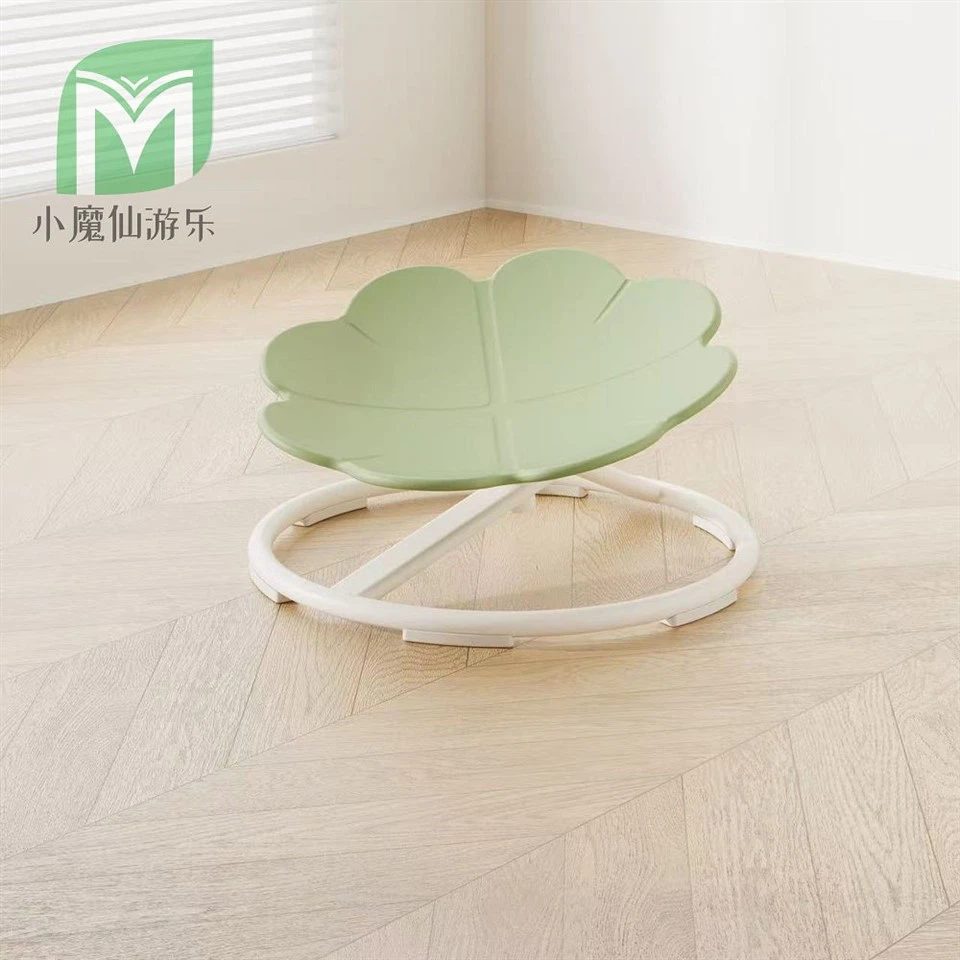
Our chairs are designed with safety in mind. They are made with high - quality materials that are durable and stable, reducing the risk of tipping over. The moving parts are covered or designed in a way that minimizes the pinching and entanglement hazard. Additionally, we provide clear instructions on proper use and safety precautions to ensure that parents and children understand how to use the chairs safely.
In terms of the physical health concerns, our chairs are ergonomically designed to support the child's body in a proper posture. They have adjustable features that allow the chair to be customized to the child's height and body type, reducing the stress on the spine and muscles.
Conclusion and Invitation
Despite the disadvantages, kids spinning chairs can still have their benefits, such as providing sensory stimulation and promoting balance and coordination. However, it is essential for parents and educators to be aware of the potential risks and take appropriate measures to ensure the safe and responsible use of these chairs.
If you are interested in our kids spinning chairs and want to learn more about how we have addressed these concerns in our product design, we invite you to contact us for a purchase negotiation. We are committed to providing high - quality, safe, and functional spinning chairs for children.
References
- American Academy of Pediatrics. (2023). Safety Guidelines for Children's Furniture.
- National Institute of Arthritis and Musculoskeletal and Skin Diseases. (2022). Maintaining Good Posture in Children.
- Centers for Disease Control and Prevention. (2023). Preventing Injuries in Children from Furniture and Toys.


