


Hey there! I'm a supplier of Kindergarten Spring Riders, and I often get asked about the load - bearing capacity of these fun little toys. Today, I'm gonna break it all down for you.
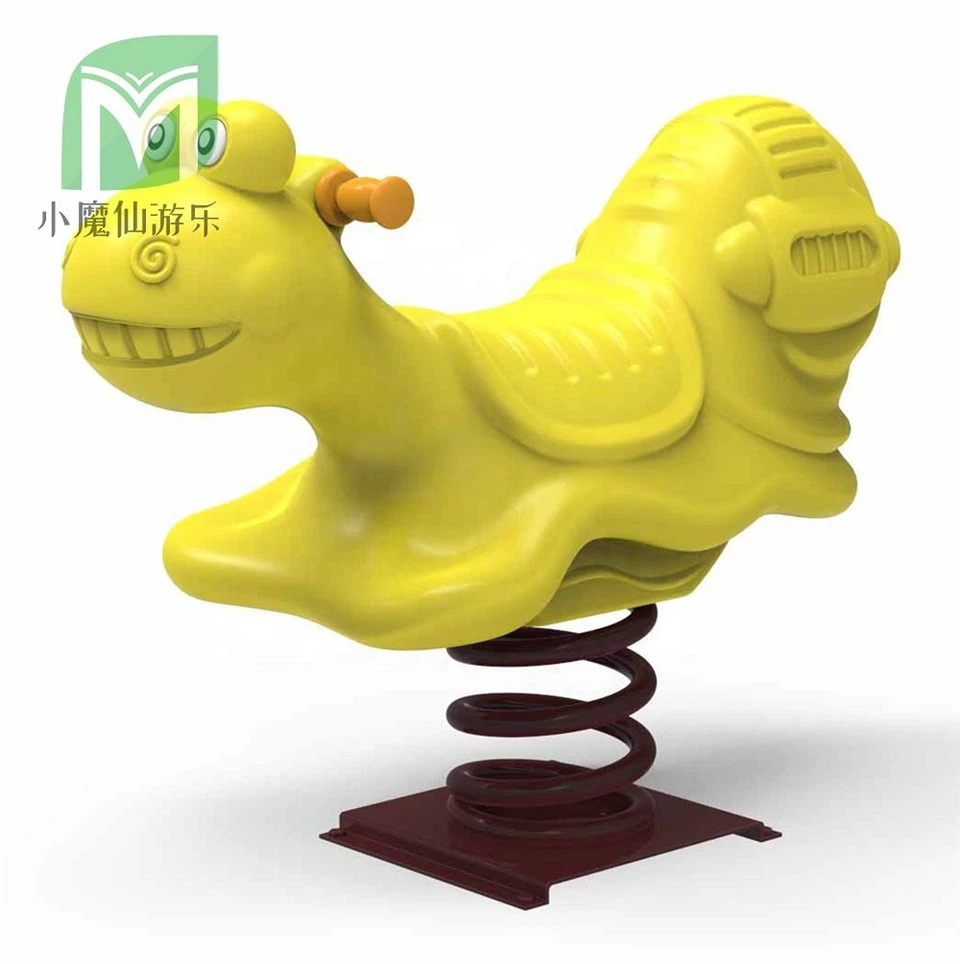
First off, let's understand what a Kindergarten Spring Rider is. It's a type of playground equipment that's specifically designed for kids in kindergartens. Usually, it has a seat on top of a spring. When a child sits on it and wiggles or moves, the spring allows the rider to bounce up and down, giving them a thrilling experience. You can check out some cool designs like the Community Park Rocking Toy and Outdoor Kids Rocking Toy on our website.
Now, the load - bearing capacity is a super important factor. It basically tells us how much weight the spring rider can safely handle. Why is it so crucial? Well, if a spring rider is overloaded, it can break or malfunction. This not only means the end of the fun for the kids but also poses a serious safety risk. No one wants a child getting hurt because the equipment couldn't handle the weight.
So, what determines the load - bearing capacity of a Kindergarten Spring Rider? There are a few key factors.
1. The Spring
The spring is the heart of the spring rider. Its strength and quality play a huge role in determining how much weight it can support. Springs are made from different materials, like steel. High - quality steel springs are generally stronger and can handle more weight. The thickness of the spring wire also matters. A thicker wire can usually bear more load compared to a thinner one.
Manufacturers test different springs to figure out their load - bearing limits. They use special equipment to apply increasing amounts of weight until the spring starts to show signs of deformation. Based on these tests, they can set a safe load - bearing capacity for the spring rider.

2. The Frame
The frame of the spring rider is another important part. It holds the spring and the seat in place. If the frame is made from weak materials or has a poor design, it can't support much weight. For example, a flimsy plastic frame might break easily under the pressure of a heavier child. On the other hand, a sturdy metal frame can handle more weight.
The way the frame is constructed also affects its load - bearing capacity. A well - welded or bolted frame is more likely to stay intact under stress compared to one that's just glued together.
3. The Seat
The seat might seem like a simple part, but it also contributes to the overall load - bearing capacity. The size and shape of the seat can distribute the weight of the child evenly. A wide and flat seat can spread the weight over a larger area, reducing the pressure on the spring and the frame.
If the seat is too small or has an odd shape, the weight might be concentrated in one spot. This can put extra stress on the spring and increase the risk of failure.
Typical Load - Bearing Capacity
In general, most Kindergarten Spring Riders have a load - bearing capacity ranging from 30 to 50 kilograms. This is suitable for most kids in the kindergarten age group. However, it's important to note that this is just a general range. Some high - quality spring riders can handle more weight, while others with a more delicate design might have a lower capacity.
For example, our Animal - Shaped Spring Rider is designed to be both fun and safe. It has a well - engineered spring and a sturdy frame, which allows it to support a weight of up to 45 kilograms. This means that even a slightly heavier child can enjoy the ride without any worries.
Safety Considerations
When it comes to the load - bearing capacity, safety should always be the top priority. As a supplier, I always make sure to clearly label the load - bearing capacity on each spring rider. It's also important for kindergarten teachers, parents, and caregivers to pay attention to these labels.
They should make sure that only children within the recommended weight range use the spring riders. If a child is close to the upper limit of the load - bearing capacity, it's still a good idea to supervise them closely while they're using the equipment.
Regular maintenance is also crucial. Over time, the spring and the frame can wear out. Inspecting the spring riders regularly for any signs of damage, like cracks in the frame or a weakened spring, can help prevent accidents.
Why Choose Our Kindergarten Spring Riders?
We take pride in offering high - quality Kindergarten Spring Riders. Our products are designed with safety and fun in mind. We use only the best materials for the springs, frames, and seats. Our manufacturing process is strict, and we conduct thorough quality checks on each spring rider before it leaves the factory.
Our load - bearing capacities are carefully determined through extensive testing. We want to make sure that every child can enjoy a safe and exciting ride on our spring riders. Whether you're looking for a cute animal - shaped spring rider or a more classic design, we have a wide range of options to choose from.
Contact Us for Purchasing
If you're interested in purchasing Kindergarten Spring Riders for your kindergarten, school, or community park, we'd love to hear from you. We can provide you with detailed information about our products, including the load - bearing capacities, prices, and delivery options. Just reach out to us, and we'll be happy to assist you in making the right choice for your needs.
References
- "Playground Equipment Safety Standards", National Recreation and Park Association.
- "Materials Science for Engineers", a textbook on engineering materials and their properties.


