


Hey there, snow enthusiasts! As a supplier of inflatable snow tubes, I get asked a ton about the right inflation pressure for these bad boys. It's a crucial question because getting the pressure just right can make or break your snow tubing experience. So, let's dive into it and figure out what the recommended inflation pressure for an inflatable snow tube is.
First off, why does inflation pressure matter? Well, it affects everything from the tube's speed and stability to its durability. If the tube is under - inflated, it'll be slow, and you might not glide smoothly down the hill. It can also be more prone to getting punctured because it doesn't have enough internal support. On the other hand, over - inflating can make the tube too rigid. It might bounce around a lot, and there's a risk of the seams bursting under the high pressure.
Now, the recommended inflation pressure can vary depending on a few factors. One of the main factors is the size of the snow tube. Smaller tubes usually require less pressure compared to larger ones. For example, a kiddie snow tube might only need around 1 - 2 PSI (pounds per square inch). These tubes are designed for younger kids who don't need as much speed or stability, and a lower pressure makes them more forgiving.
If you're looking for a Dual - Use Snow Tube, which is often a bit larger and can be used in different snow conditions, the recommended pressure is typically between 2 - 3 PSI. This gives it enough firmness to handle various terrains while still being flexible enough for a comfortable ride.

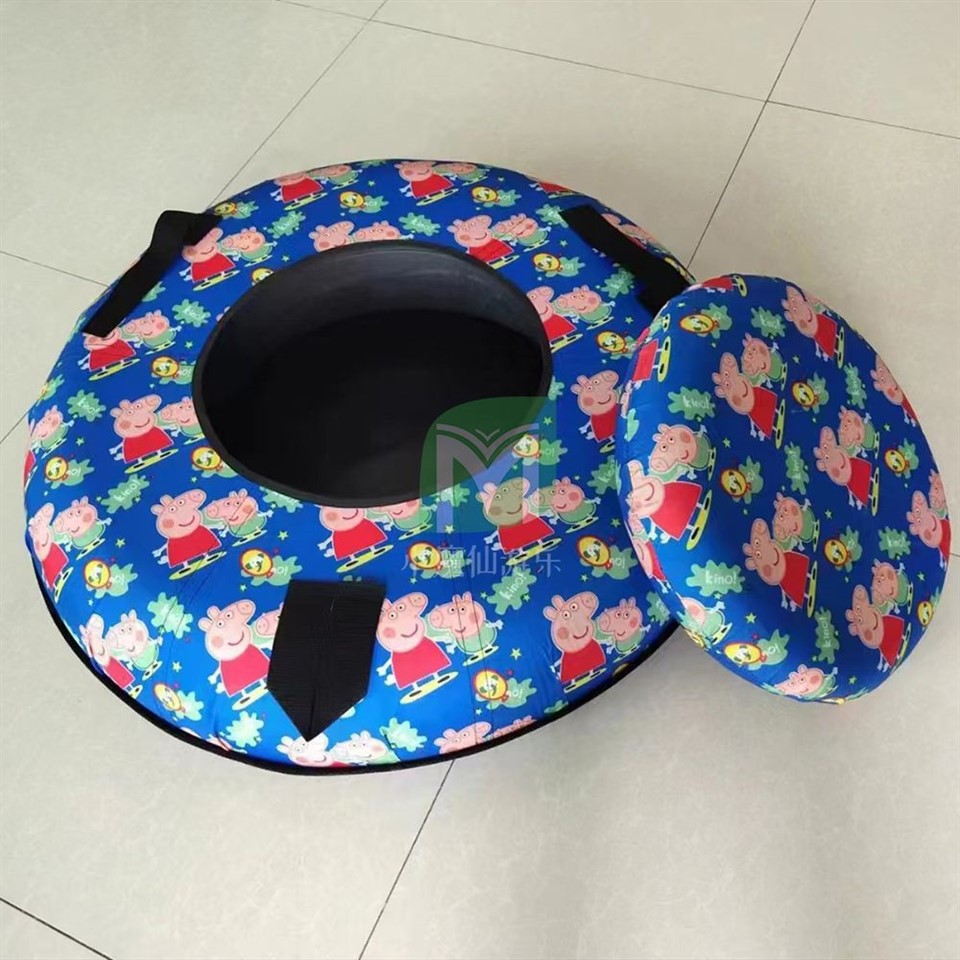
For the bigger, more heavy - duty snow tubes, like our Anti - Roll Snow Tube, you're going to want to aim for around 3 - 4 PSI. These tubes are built to carry more weight and are designed for higher - speed runs. The extra pressure helps keep them stable and prevents them from collapsing under the force of a fast descent.
Another factor that affects the recommended inflation pressure is the material of the snow tube. Tubes made from thicker, more durable materials can handle higher pressures without a problem. They're less likely to burst or get damaged. On the contrary, thinner materials might require a lower pressure to avoid over - stressing the fabric.
The snow conditions also play a role. If you're tubing on fresh, powdery snow, a slightly lower pressure can be beneficial. The tube will sink into the snow a bit more, providing better traction and control. But if the snow is hard - packed or icy, you'll want to go for a higher pressure. This will make the tube glide more easily over the smooth surface.
Let's talk about how to measure the inflation pressure. You can use a simple tire pressure gauge, which is readily available at most hardware stores. Just make sure to check the pressure when the tube is at room temperature. If you measure it right after it's been out in the cold, the pressure reading might be inaccurate because the air inside contracts in the cold.
Before you head out to the slopes, it's a good idea to give the tube a quick check. Look for any signs of damage, like small punctures or weak spots in the seams. If you find any, it's better to fix them before inflating the tube. A damaged tube can lead to uneven inflation and might not perform well.
Now, I know you're probably wondering where to get the best inflatable snow tubes. Well, as a supplier, I can tell you that our products are top - notch. We've been in the business for years and have a wide range of snow tubes to suit every need. Whether you're looking for a fun Rainbow Slide Sled for the kids or a high - performance anti - roll tube for the adrenaline junkies, we've got you covered.
If you're interested in purchasing our inflatable snow tubes, we're always happy to have a chat. We can discuss your specific requirements, the best products for your situation, and even offer some tips on how to take care of your tubes. Whether you're a ski resort looking to stock up on snow tubes for your customers or an individual planning a family snow day, we can help you find the perfect fit.
In conclusion, getting the right inflation pressure for your inflatable snow tube is essential for a great snow tubing experience. It depends on factors like the size of the tube, the material, and the snow conditions. By following the guidelines I've mentioned, you can ensure that your tube performs at its best and lasts for many snowy adventures to come. So, if you're ready to take your snow tubing to the next level, don't hesitate to reach out and start a conversation about purchasing our high - quality inflatable snow tubes.
References:
- General knowledge about inflatable products and snow sports equipment.
- Years of experience as an inflatable snow tube supplier.


