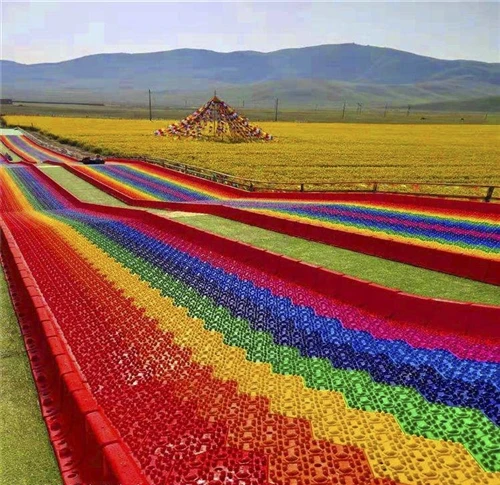
[Press Release] Recently, a groundbreaking outdoor sports solution - polymer dry slope matting - is attracting widespread industry attention. This innovative technology simulates real snow skiing experience through specially designed surfaces, allowing skiing enthusiasts to enjoy all-weather skiing in urban parks, sports centers and other venues without relying on natural snowfall.
Technological Innovation Drives Change
Dry slope matting utilizes high-density polyethylene material with directional alignment technology, creating millions of micro-support points on the surface. When skis glide over these points, they generate friction and sliding sensation similar to real snow, achieving up to 90% similarity in skiing experience. This technology has been certified by the International Ski Federation as an officially recognized off-season training facility.
Broad Market Application Prospects
According to the latest industry report, the global dry slope matting market has grown at an average annual rate of 187% over the past three years. At the 2,000 square meter dry slope facility in Munich's Olympic Park, more than 150,000 skiing enthusiasts have been recorded since its opening last year, with summer visitor numbers exceeding traditional ski resorts by over three times.
Significant Environmental Advantages
Compared to traditional artificial snowmaking, dry slope matting requires no water consumption, reduces operational energy consumption by 80%, and is unaffected by climatic conditions. With a service life of over 10 years, it requires minimal maintenance. The product has currently been exported to more than 50 countries and regions worldwide, gaining particular popularity in tropical areas including Southeast Asia and the Middle East.
Industry experts indicate that the popularization of dry slope matting will completely transform the seasonal limitations of skiing sports, opening new development paths for the industrialization of winter sports. The global dry slope matting market is projected to exceed $3 billion by 2026.